Planning / 3 min readThe Union in Frame journal
A wedding timeline with room to actually enjoy it
Words by Union in Frame
The best running order has a little breathing room. It makes space for the photographs you care about, without turning the day into a series of appointments.
Put the fixed points on paper first
Start with the ceremony, travel between venues, the meal and any firm finish time. Add the moments that are particularly important to you, such as a cultural tradition, a first look or a performance. These are the anchors around which everything else has to fit.
Your venue, caterer and visual team see the day from different angles. Share an early draft with all of them. A ten-minute drive may need much longer when a whole guest list is boarding transport, and a room turnaround may affect where photographs can happen.
Plan for the light you will actually have
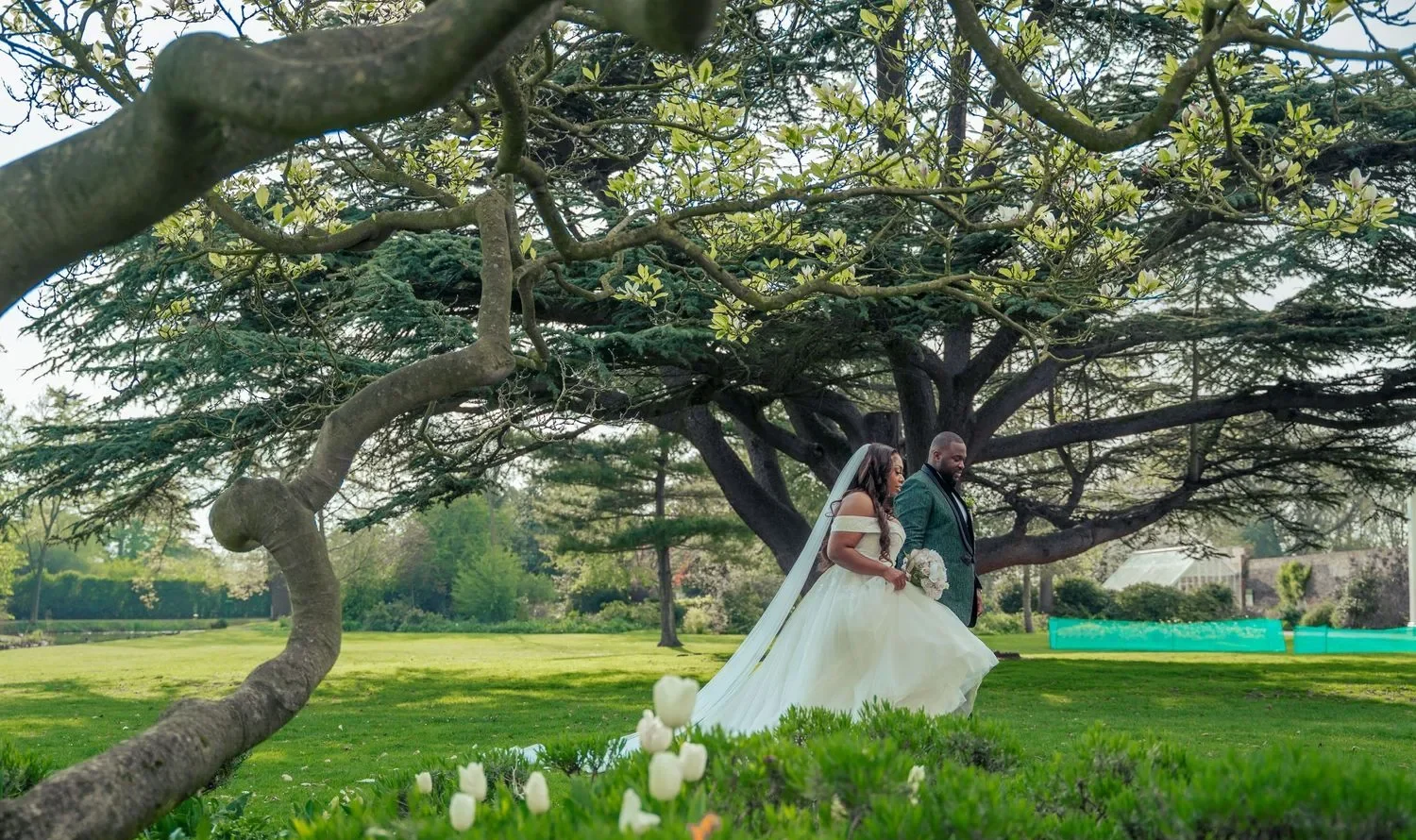
Check sunset for your date and location, then discuss how the venue changes the usable light. Tall buildings, woodland, hills and indoor spaces can make the scene feel darker before the published sunset time. Weather can change the plan again.
Decide which photographs you most want outdoors and give them a realistic window. A brief evening walk can be lovely if the timetable and conditions allow it, but the whole portrait plan should not depend on a single perfect patch of sunshine.
Make family photographs easy to gather
Write the groups down using names as well as relationships. Ask one or two people who know the guests to help gather them, and let those helpers see the list beforehand. Think about guests who may need somewhere to sit or a shorter wait.
There is no universal number of minutes per group. Larger groups, several generations and movement between locations need more time. Agree a workable list with the photographer and leave space for the informal family pictures that happen during the rest of the day.
Protect the time just after the ceremony
The first greetings, embraces and slightly disbelieving smiles are part of the story. Avoid filling every minute immediately after the ceremony with formal tasks. If confetti, drinks, transport and group photographs all happen then, put them into an order people can follow.
Portraits do not have to happen in one long block. You might prefer a short session after the ceremony and another small window later. Discuss that with the team so you can spend more of the reception with your guests.
Build a plan that can move
Include buffers where delays would otherwise push everything into the next event: dressing, travel and the transition into the meal are good places to look. Share who will make decisions if something runs late, so you are not fielding every question yourself.
Keep a wet-weather alternative and a shorter portrait option in the plan. The aim is not to control every minute. It is to make the important things possible, while leaving enough freedom for the wedding to feel like a wedding.
Want advice for your own date and venue? Tell us what you're planning