Services / 3 min readThe Union in Frame journal
How long do wedding photos take? What happens before the gallery arrives
Words by Union in Frame
The wedding ends, the cameras are packed away, and then there is a wait. In the UK a full gallery is usually counted in weeks rather than days, and the date belongs in your contract. Here is what fills that time, and what to ask for meanwhile.
The first job is keeping the files safe
Many professional cameras write to two memory cards at once, so each frame exists twice before the photographer leaves the venue. The next job, usually that night or the following morning, is copying everything onto working drives and a separate backup, often with a third copy kept away from the studio.
Nothing is edited until those copies have been checked. It is unglamorous work, and it protects your photographs more than anything else in the process. Ask how many copies exist and where they are kept until the gallery is delivered.
Thousands of frames become a few hundred
A full day of coverage produces thousands of frames. Many are near-duplicates: a sequence of the same hug, a run of expressions during the speeches, a few test frames. Culling is the slow, attentive pass that chooses the strongest version of each moment and sets aside blinks, missed focus and repeats.
This is editorial work, not deletion for its own sake. A smaller, well-chosen gallery is easier to live with than every frame the camera took. If a particular guest or moment matters to you, say so before culling starts, not after the gallery arrives.
Colour editing is not the same as retouching
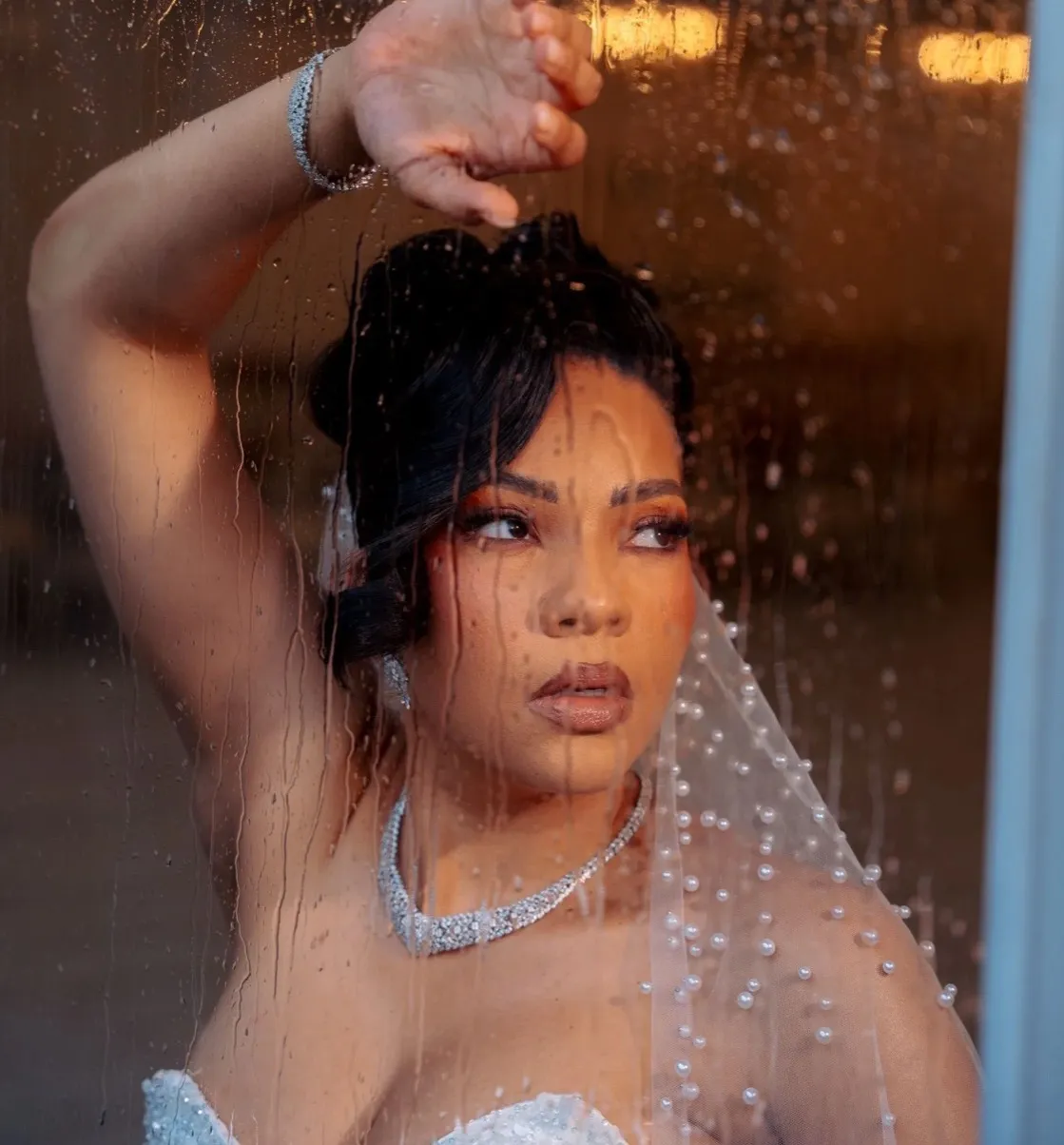
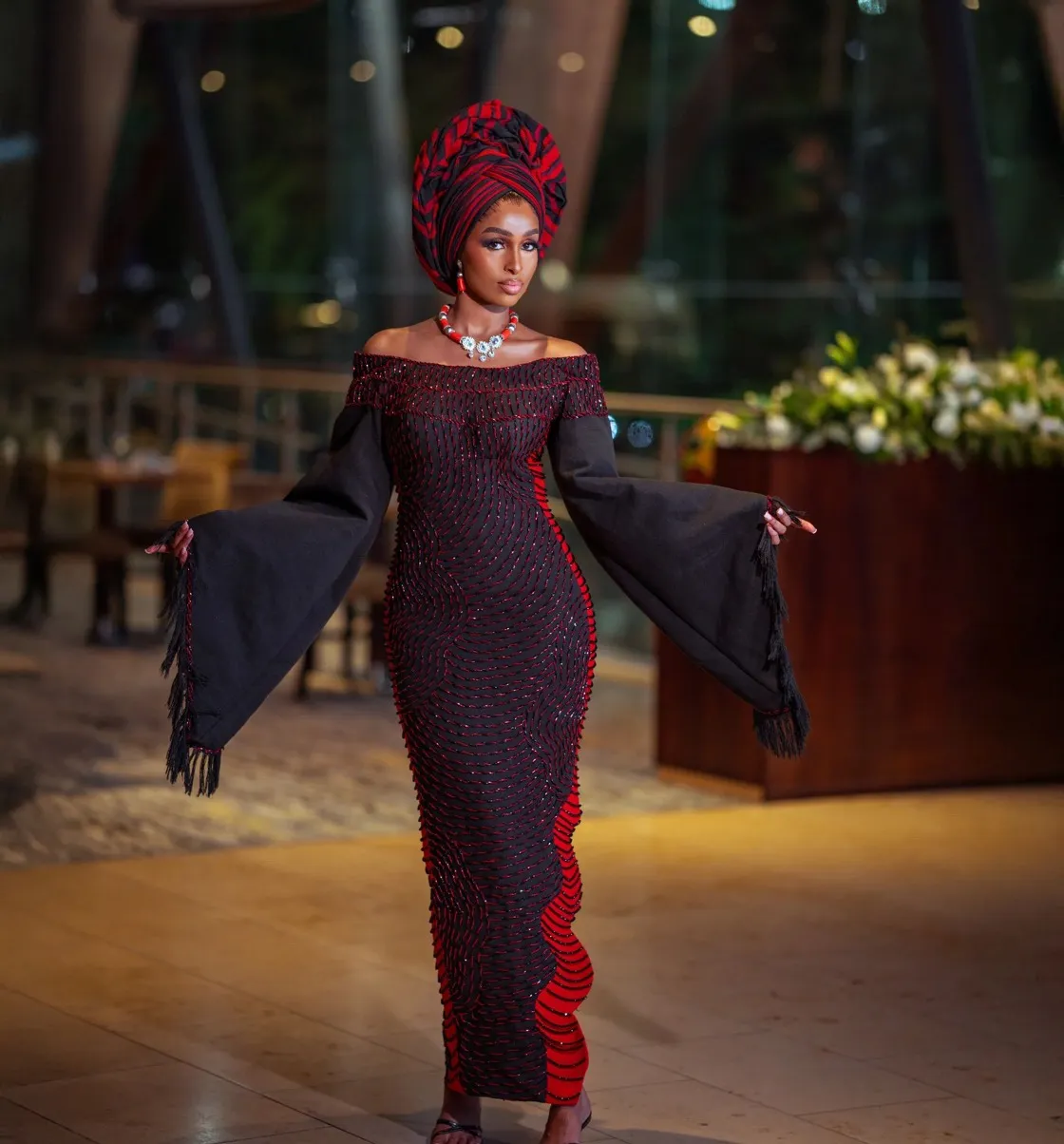
Every selected photograph is then edited: exposure balanced, colour corrected so skin looks like skin under marquee lighting and dance-floor colour, horizons straightened, and a consistent look applied across the set. This is colour editing, and every image receives it.
Retouching is different. It changes content: removing an exit sign, softening a blemish, taking a stray guest out of the background. It takes far longer, so it is usually reserved for a handful of chosen images, sometimes at extra cost. Ask what is included, so you know what the gallery will and will not fix.
Why UK turnaround is counted in weeks
Through the British wedding season, roughly May to September, a studio may photograph a wedding most weekends, and each needs the same backing up, culling and editing. Galleries are usually edited in date order, so a late-July wedding may wait behind several others before its turn. Weeks is an honest answer about that queue, not a sign of neglect.
Many photographers send a small preview within days: a handful of edited frames to share while you wait. Same-day content, where booked, is the one part of coverage made to arrive on the day itself.
Why raw files are not normally supplied
Raw files are the unprocessed data straight from the camera, before any colour or tone has been set. They look flat, need specialist software to open, and show none of the photographer's finished work. They are not normally supplied, and the contract will usually say so.
What you can ask for is more useful: full-resolution JPEGs without watermarks, permission to print at any size, a licence that covers personal sharing, and a clear answer on how long the online gallery stays live. That is what you will keep, long after the wait is forgotten.
Want advice for your own date and venue? Tell us what you're planning