Planning / 3 min readThe Union in Frame journal
Accessible weddings: making the photographs work for every guest
Words by Union in Frame
Making a wedding accessible for disabled guests starts with the venue, toilets and parking. The photographs need the same thought. A guest who cannot manage steps, stand for long or cope with flash should still be in the family groups, the portraits and the film, without being singled out or left waiting.
Pick a level spot for the family groups
Grand staircases photograph well and are hard for many guests. Ask your venue for a flat area with firm ground, close to where guests already are, so nobody faces a long walk over gravel. A terrace, a courtyard or the room itself often works better than the lawn.
Keep the list short and put the groups that include anyone who tires easily or uses a wheelchair first. Ask a helper to gather the next group while the current one is photographed, and let anyone who needs to sit stay seated until called.
Put seating inside the frame, not beside it
If a guest needs to sit, the chair belongs in the photograph. Seat them in the centre of the front row and build the group around them, not at the edge. Place a wheelchair user so the people beside them stand close, and ask the photographer to bring the camera down to their eye level. Seating a few others alongside keeps the heights even.
Have two or three plain chairs at the group spot before you start. Nobody should have to ask for a seat in front of everyone they know.
Choose portrait spots everyone can reach
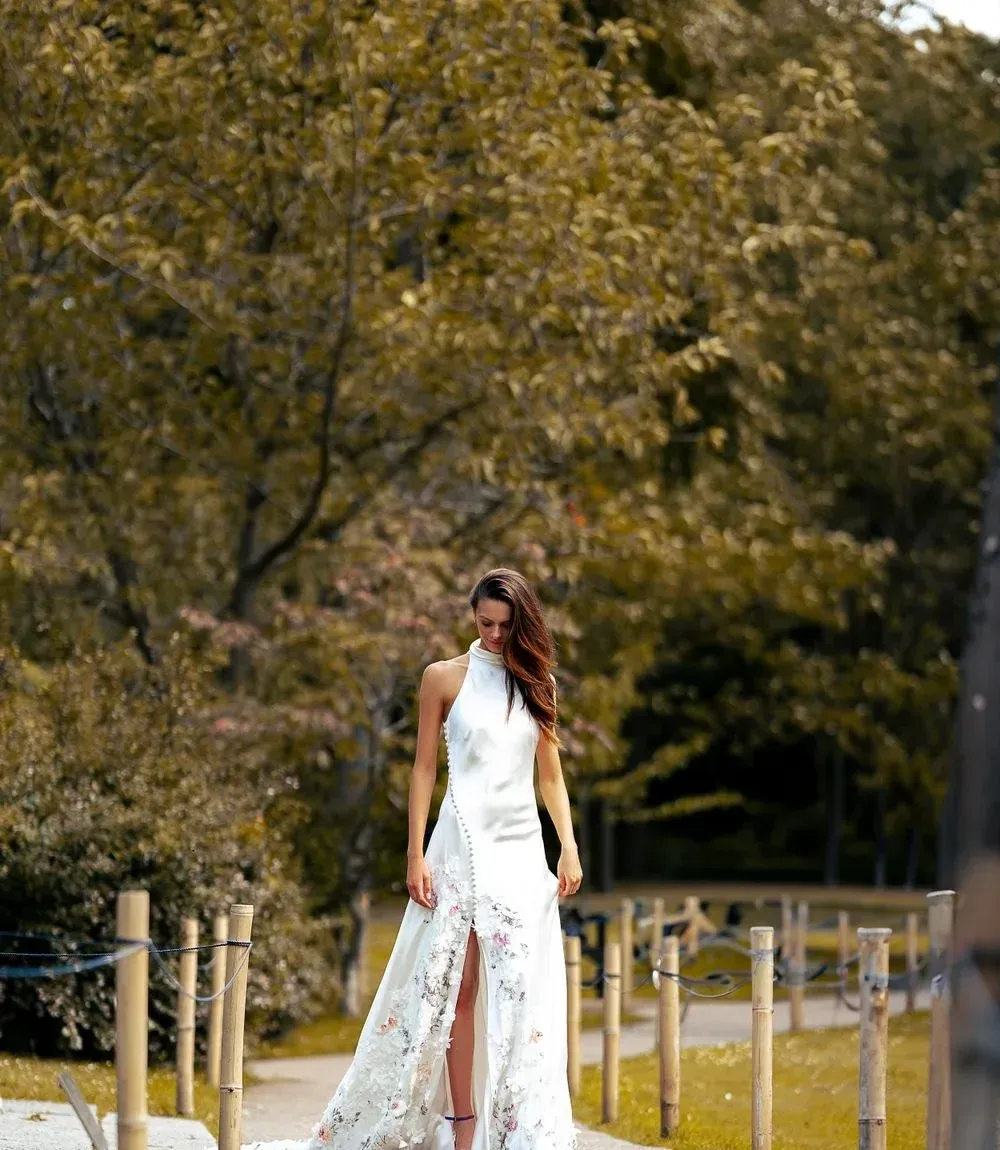
Couple portraits often mean a short walk from the venue, and that walk is where a guest with a stick or a wheelchair gets left behind. If you want parents or grandparents in some of those pictures, or one of you needs a step-free route, ask the venue for a level path with firm ground. Walk it before the day and look for kerbs, gravel and slopes.
Keep a few locations within sight of the reception, so anyone who joins you can get back without help.
Talk about flash and sensory needs early
Flash can be difficult for guests with photosensitive epilepsy, migraine or sensory sensitivities, particularly when it fires repeatedly. Ask how much flash your photographer expects to use, especially in the evening, and say in advance if a guest needs it kept low. Much of the day can be photographed without flash, and your photographer can warn people before it starts.
Tell guests on your wedding website when flash is likely. Some people find a close camera or being directed into a group overwhelming, so tell your photographer who would prefer more distance.
Keep interpreters in frame and pace the day
A British Sign Language interpreter at the ceremony or speeches needs to stand where deaf guests can see them and where the photographs and film can include them. Beside the registrar or celebrant, and later beside whoever is speaking, usually works. Tell the venue, registrar, photographer and filmmaker in advance, so nobody moves them aside at the last minute.
Then look at the running order. A receiving line or a long wait for group photographs is tiring. Build in seats, shade and a pause, and the photographs will show people enjoying the day rather than enduring it.
Want advice for your own date and venue? Tell us what you're planning