Services / 3 min readThe Union in Frame journal
Documentary or traditional: which wedding photography style suits you?
Words by Union in Frame
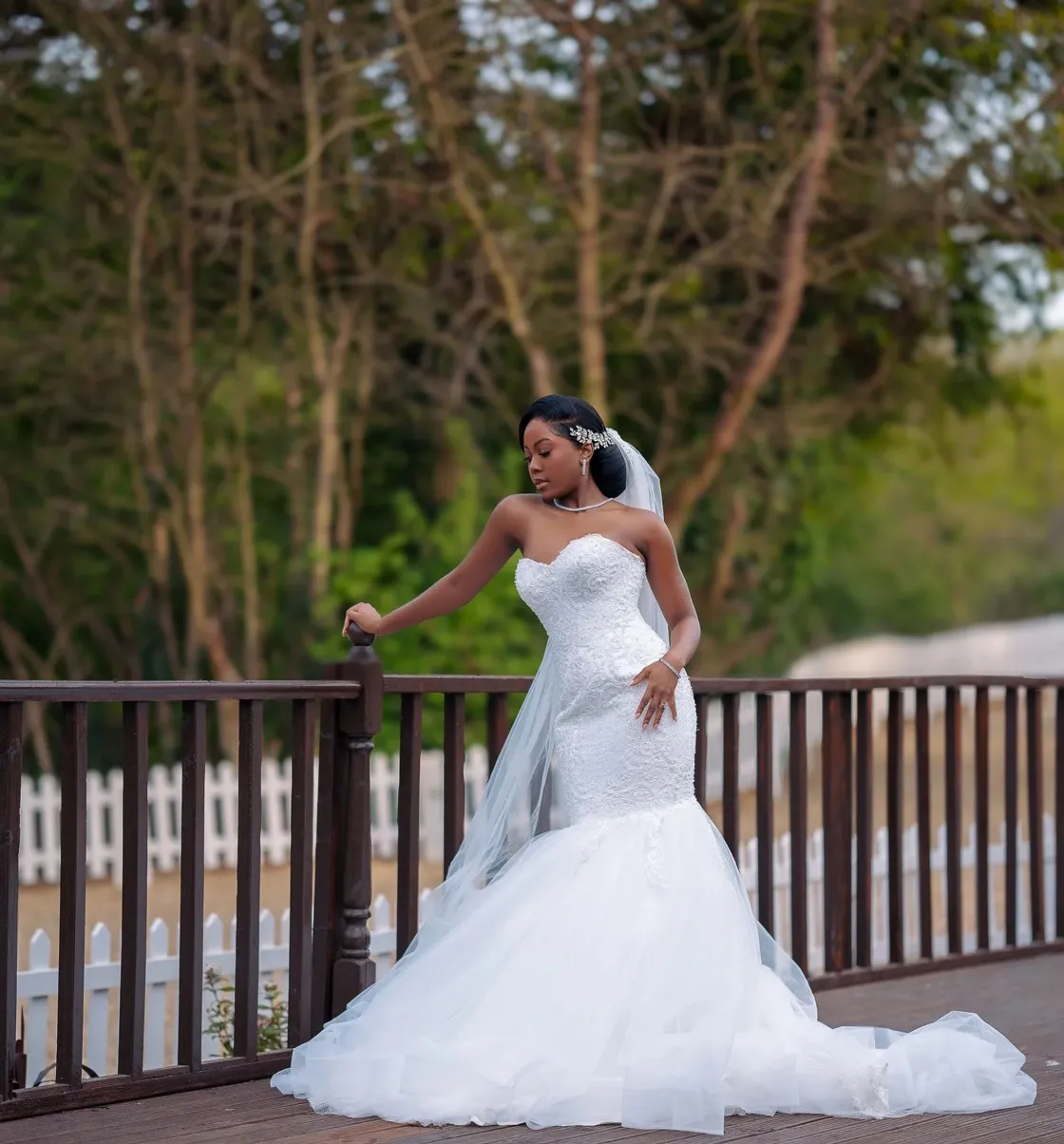
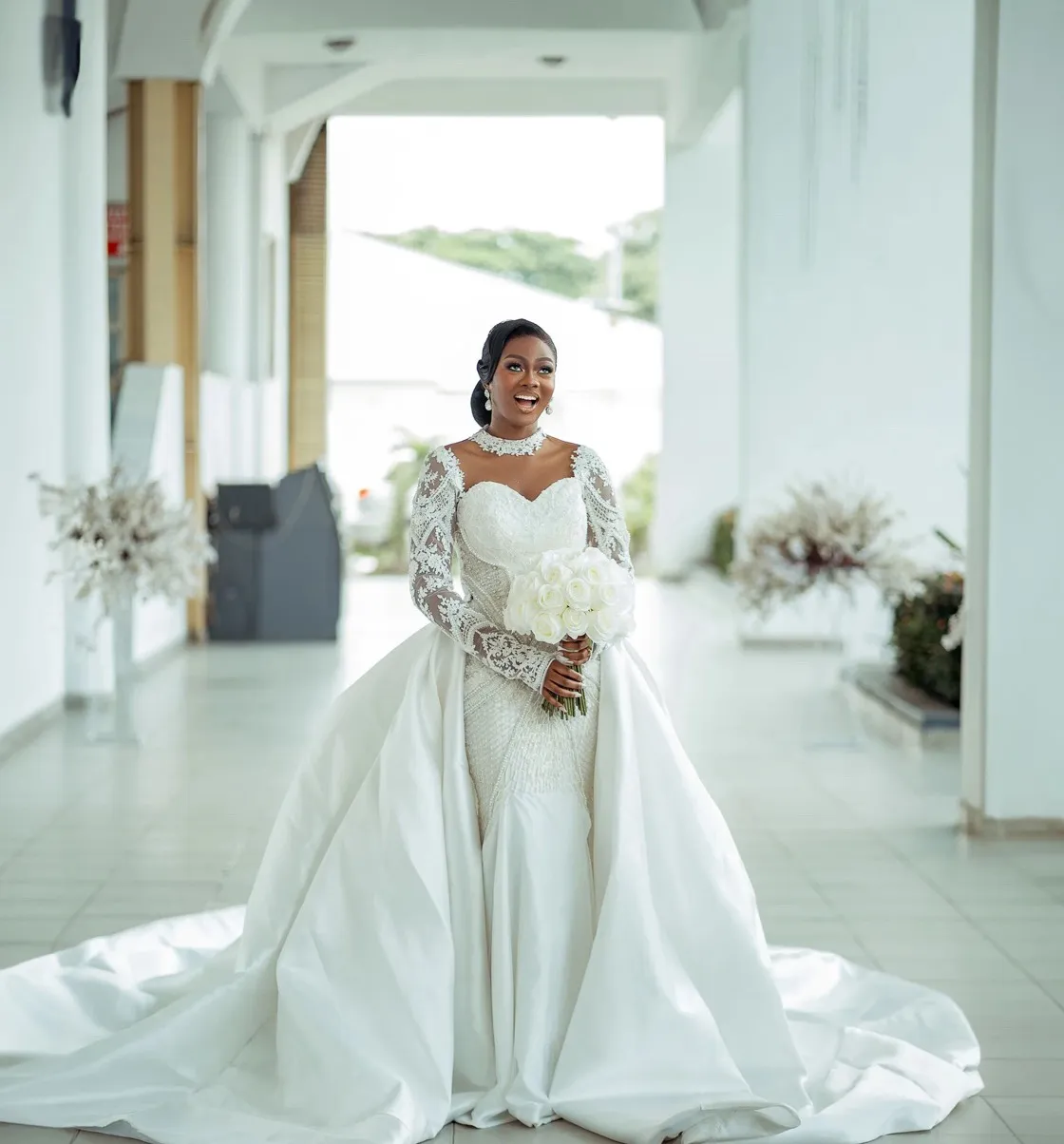
The difference between documentary and traditional wedding photography comes down to direction: how much the photographer arranges and how much is left to happen. That choice shapes your day, from time in front of the camera to how family groups are organised and what the evening looks like.
Documentary photography follows the day as it happens
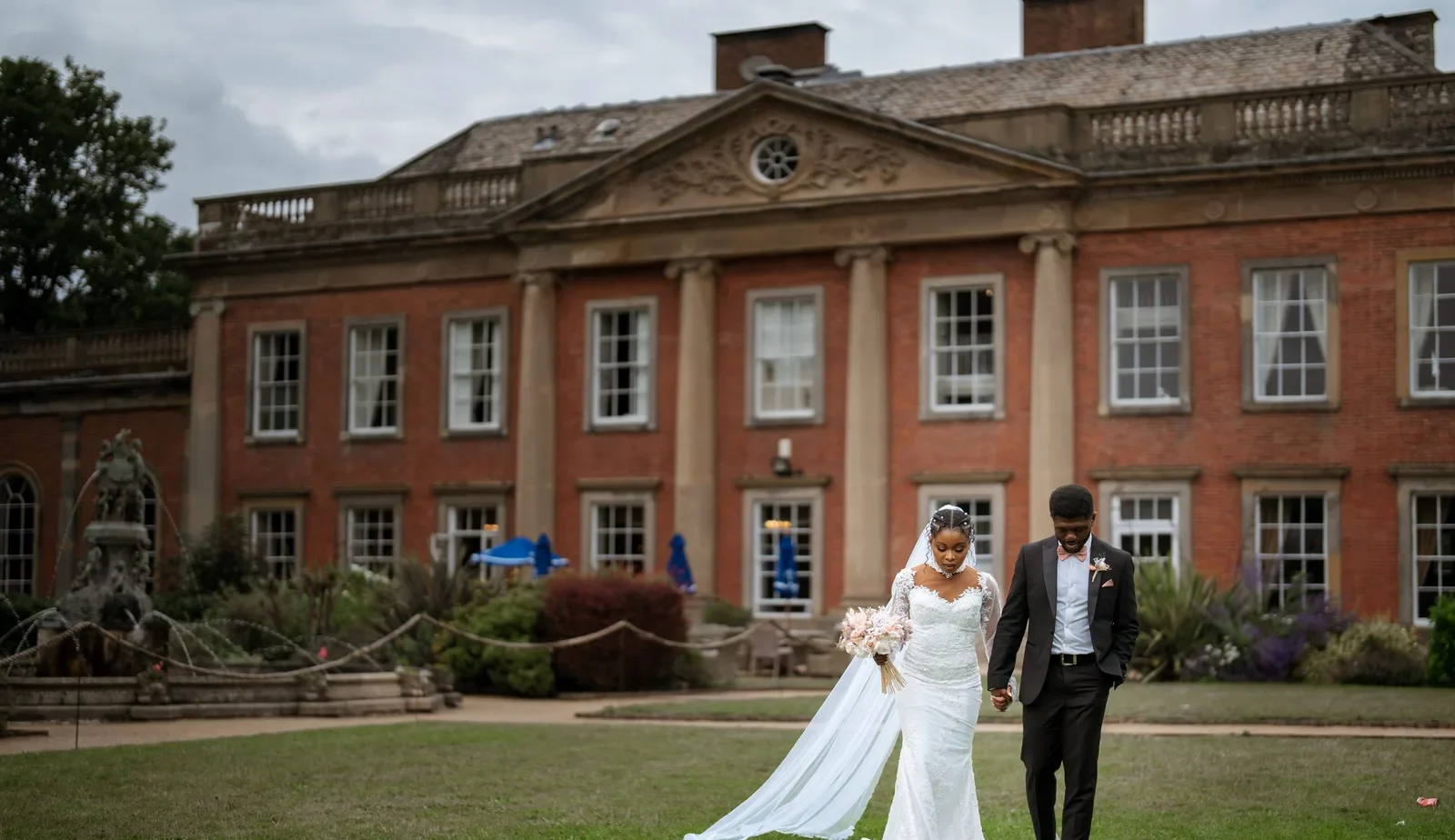
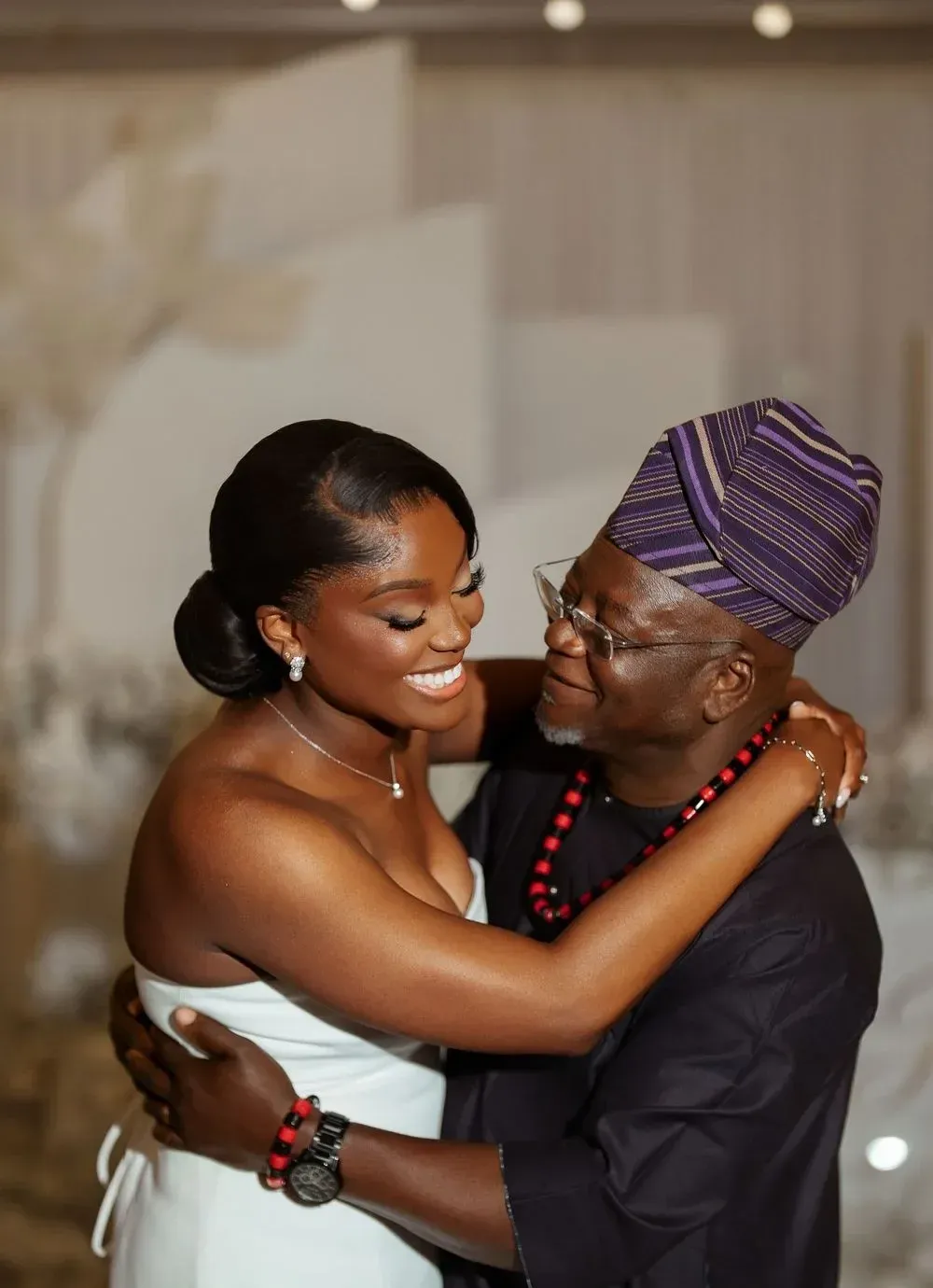
A documentary photographer records the day as it unfolds, without arranging people or asking for repeats. The pictures come from paying attention: the moment before the ceremony, the reaction to a speech, a quiet word between parents.
It asks little of you. There is no set portrait session unless you want one, and most of the day you are simply with your guests. Nothing is staged, so some pictures are less tidy. If you want formal family groups, say so, because a documentary approach may not plan for them.
Directed photography gives you a plan to follow
Directed, or traditional, photography is built around a plan. The photographer arranges family groups, poses the two of you and gives clear instructions, so the key pictures are not left to chance.
It asks more of your time. Expect a list of groups after the ceremony and a proper portrait session, each needing a slot in the timeline. Some couples prefer this because they know what they are getting and nobody is left out. The cost is time away from your guests and a more formal feel to the gallery.
What editorial, airy and moody mean
Editorial photography borrows from magazines. Portraits are composed and styled, details are arranged, and the venue is treated as a set. It can look striking, but it needs time, direction and a willingness to be posed more than once.
Light and airy, and dark and moody, describe the finished look rather than a way of working. One favours soft, bright colour; the other deep tones and contrast. Neither tells you how the day will run. What matters is whether that look holds up in a dim register office or under coloured lights at night.
Family groups and the evening tell you most
Ask how family photographs are handled. A documentary photographer will usually do groups if asked, but keeps them brief and informal. A directed photographer plans them, names a helper and works through a list. Either way, agree the names before the day so nobody is hunting for an uncle during drinks.
Evenings are the real test. Speeches, the first dance and a crowded dance floor happen in low light, and a look that depends on soft daylight can fall away. Check that the evening pictures feel like the same photographer took them.
Judge a whole wedding, not the highlights
A website or social feed shows the best frames from many weddings, usually in good light. It shows what a photographer can do once; a full gallery shows what they do all day.
Ask for one or two complete weddings, ideally in a similar venue and season to yours. Look at the ceremony, the groups, the speeches and the dancing. Count the pictures you would want to keep, not just the ones you admire. If the quiet parts are seen as well as the big ones, the style suits you.
Want advice for your own date and venue? Tell us what you're planning