Planning / 3 min readThe Union in Frame journal
The wedding morning: getting ready photographs without the rush
Words by Union in Frame
Wedding mornings run late when the plan starts at the beginning. Work backwards from the ceremony instead, and dressing, hair and make-up and the photographer's arrival each find their place. As a guide, that arrival is about two hours before you leave. Here is the plan, for both of you.
Work back from the time you leave
Fix the time you need to leave. If you are having a civil ceremony, the registrar will want to speak to each of you beforehand, so plan to arrive early. Add any journey, with a margin for traffic and parking. Dressing comes before that and takes longer than expected. Hair and make-up finish before dressing starts.
Only then set the photographer's arrival. Around two hours before you leave is usually enough for the details, the room and the people in it. Your photographer will often set off before you, to be at the ceremony first, so ask when.
Finish hair and make-up before dressing
Give your hair and make-up team a finish time and let them plan backwards from it. As a guide, aim to be finished about an hour before you leave, so dressing is not squeezed. Going last keeps your make-up fresh, but last should not mean late. Bridesmaids, parents and anyone else being styled need their own slots.
A morning without hair and make-up still needs a plan. Shower, shave and iron early, and aim to be in trousers and shirt before the photographer arrives, so the pictures show the finishing touches rather than the scramble.
Clear a corner by the window
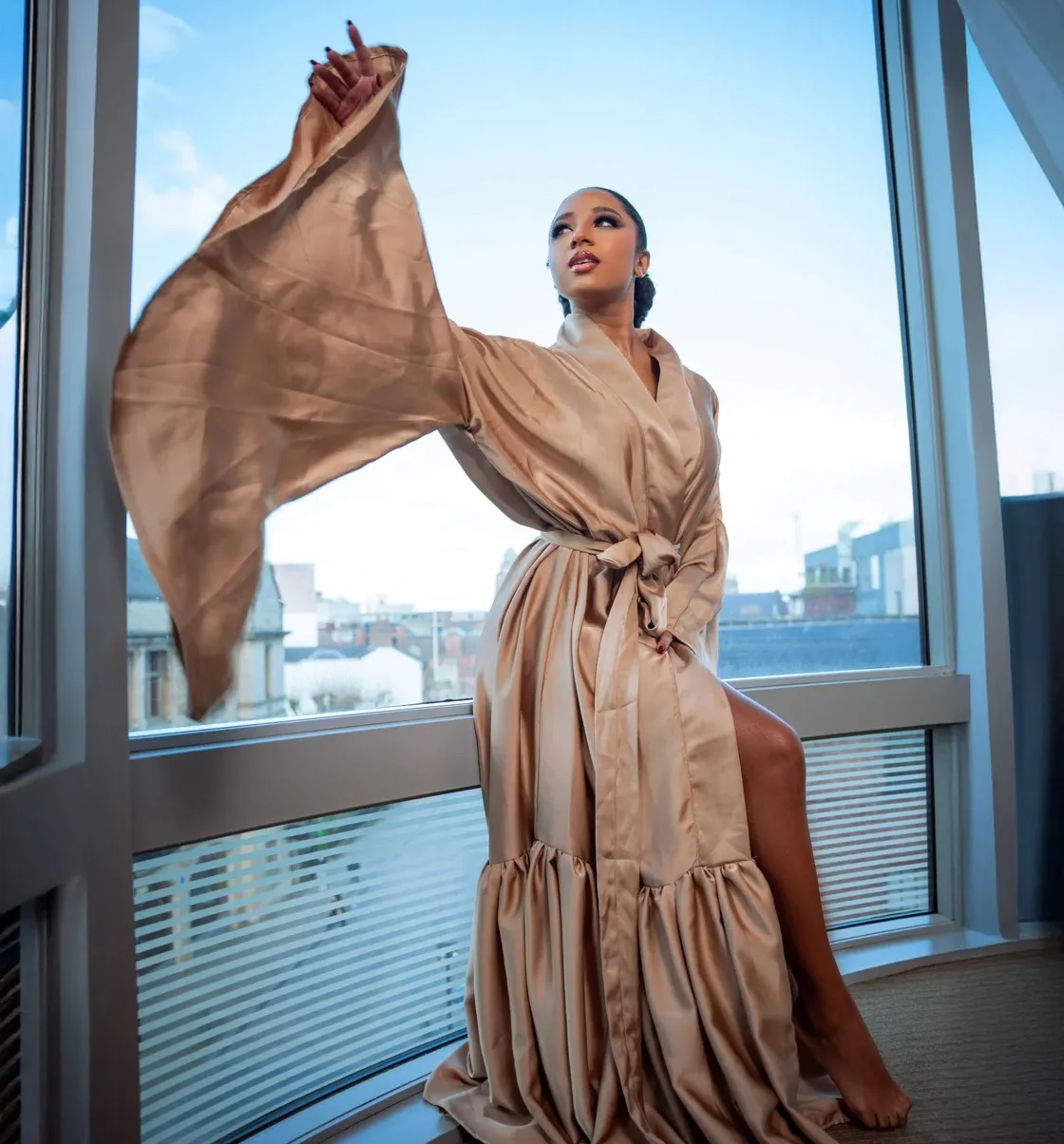
Pick the room with the biggest window and get ready beside it. Daylight from the side is kinder than overhead bulbs, for make-up and for photographs. Clear one corner and move the suitcases, carrier bags and last night's cups into another room before the day starts.
Lay the details out before the photographer arrives: rings, invitations, shoes, perfume, cufflinks, the dress or suit on its hanger, and any cards you want in the pictures. Put them on one clear surface so nobody is hunting through bags later.
Decide who is in the room
A getting-ready room works best with the people who are helping and the few you most want beside you. Everyone else can wait downstairs or at the venue. A smaller group means fewer bags, less noise and room for the photographer to move without asking anyone to shift.
Decide who will help you dress and let them practise the fastenings before the day. Buttons, laces, a kilt or a bow tie are all harder under pressure. The hands at your back and the faces watching often make the strongest photographs of the morning.
Leave time to be with your people
Once you are dressed, stop. Fifteen minutes with your parents or friends, or a cup of tea at the window, is worth more than another round of posed pictures. Your photographer can work quietly around whatever happens: a card being read, a hug on the landing, a last look in the mirror.
If you are getting ready in different places, a second photographer can cover the other morning. With one photographer, agree which morning they cover and where they will meet the other of you before the ceremony.
Want advice for your own date and venue? Tell us what you're planning